Why Your Roofer Should Be There When the Insurance Adjuster Visits
- Mike Kvak

- Jun 6
- 4 min read

Most homeowners handle it the same way. Storm comes through, they call the insurance company, the adjuster schedules a visit, and somewhere after that they think about calling a roofer. The sequence feels natural. Insurance is the money, so insurance goes first.
The problem shows up a few weeks later when the estimate lands in your inbox and it's not enough to cover a full replacement.
That gap between what the adjuster approved and what the job actually costs is almost always traceable back to one thing: nobody from your side was on the roof when the scope got written.
What Actually Happens During an Adjuster Visit
An adjuster inspecting a storm-damaged roof in Northeast Ohio in June is not leisurely walking your property. After a significant hail or wind event, they're running back-to-back inspections across multiple counties. A residential visit runs 20 to 30 minutes. They photograph what they can see, write a scope based on their findings, and move to the next address.
That's not a knock on adjusters. It's just the reality of how the job works after a storm.
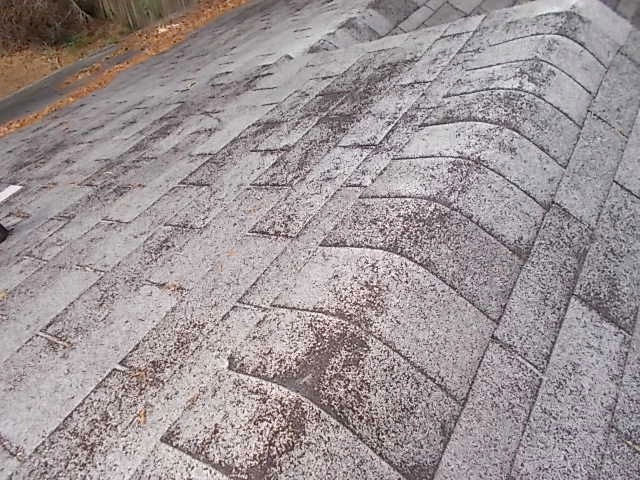
What it means for you is that the initial scope, the document that drives your entire claim, gets written by one person working quickly without anyone to flag what they're missing. Granule loss on the north face that reads as normal wear from the ground. Bruised underlayment that looks fine in photos but won't hold water through another Ohio winter. Flashing damage around a chimney or skylight that wasn't on their shot list.
None of that gets in the first scope. And recovering from a low first offer is possible, but it takes weeks of back-and-forth, supplement requests, and re-inspections that most homeowners don't have the time or knowledge to push through on their own.
What Changes When Your Contractor Is There
When a roofer is on the roof alongside the adjuster, the scope gets written differently. The contractor is pointing to damage in real time, with the person writing the numbers standing right next to them. Granule loss gets measured, not eyeballed. Impact marks get counted by section. Damaged decking that only reveals itself once you're standing on the right spot gets noted while the adjuster is still there to see it.
The adjuster doesn't have to take the contractor's word for it. The contractor has photos, measurements, and a damage report that was put together before the adjuster even arrived.
That's what the pre-inspection documentation does. When 4K gets out to your property before the adjuster visit, we're not just checking whether there's damage. We're building a record with photos by section, specific impact locations, granule loss measurements, and notes on anything that won't hold up over time. When the adjuster arrives, you hand them that report.
The conversation starts from a documented baseline instead of from scratch.
The difference in claim outcomes is significant. Homeowners who go into adjuster visits with contractor documentation consistently come out with more complete scopes than homeowners who let the adjuster set the initial number alone.
How to Actually Do This
You don't need to choose between calling your roofer first or your insurance company first. The goal is to do both close together so your contractor can be on-site when the adjuster comes.
Here's the sequence:
After a storm, call your roofer for an inspection. 4K can get out same day or next day across Medina, Summit, Cuyahoga, and Lorain counties. The inspection documents damage before anything else happens.
File your claim. Your insurance company will schedule the adjuster visit, usually within a few days to a week depending on storm volume.
Tell your roofer when the adjuster is coming. A contractor who does this kind of work regularly will make time to be there.
No adversarial dynamic. No delay to your claim timeline. Just your contractor and the adjuster walking the same roof at the same time, with a damage report already in hand.
Why the Timing of Ohio Storms Makes This Urgent
Northeast Ohio's hail season runs roughly May through July. A storm that drops 1 inch hailstones across a subdivision in Medina or Strongsville can damage 50 roofs in an hour. Every one of those homeowners is calling their insurance company in the same window. Adjusters are running at full capacity.
The inspections that happen with a contractor present get more complete scopes because there's someone on the roof filling in the gaps. The inspections that don't have to rely entirely on what one adjuster can document in under 30 minutes at peak workload.
One other thing: hail damage often isn't visible from the ground and doesn't produce an immediate leak. Granule loss, cracked shingles, and bruised underlayment show up slowly over the next year or two as water works its way through spots the shingles are no longer protecting. By the time the leak appears, the claim window may have closed.
If a storm came through your area in the last 12 months and you haven't had an inspection, there's a reasonable chance you have damage you don't know about. Most Ohio policies allow one to two years from the storm date to file.
What This Looks Like With 4K
We inspect, document, and show you exactly what we found before you call your insurer. Photos, measurements, section-by-section notes. When the adjuster schedules their visit, we coordinate to be there. We don't hand you a clipboard and wish you luck.
We've done this across hundreds of claims in Medina, Summit, Cuyahoga, and Lorain counties. We know what adjusters look for, where scopes tend to come in short, and how to make sure the documentation covers it.
The inspection is free. It takes 30 to 45 minutes. If there's no storm damage, we tell you that too.
Already Had Your Adjuster Visit?
If the adjuster has already been out and the number came back lower than expected, that's not the end of the road. Supplements can be filed, and a contractor review of the existing scope can identify what got missed. It's more work than getting documentation in place before the visit, but it's worth doing if you're looking at a gap between the approved amount and the actual replacement cost.

If your adjuster has already visited, tell us that when you call and we'll walk through where things stand.